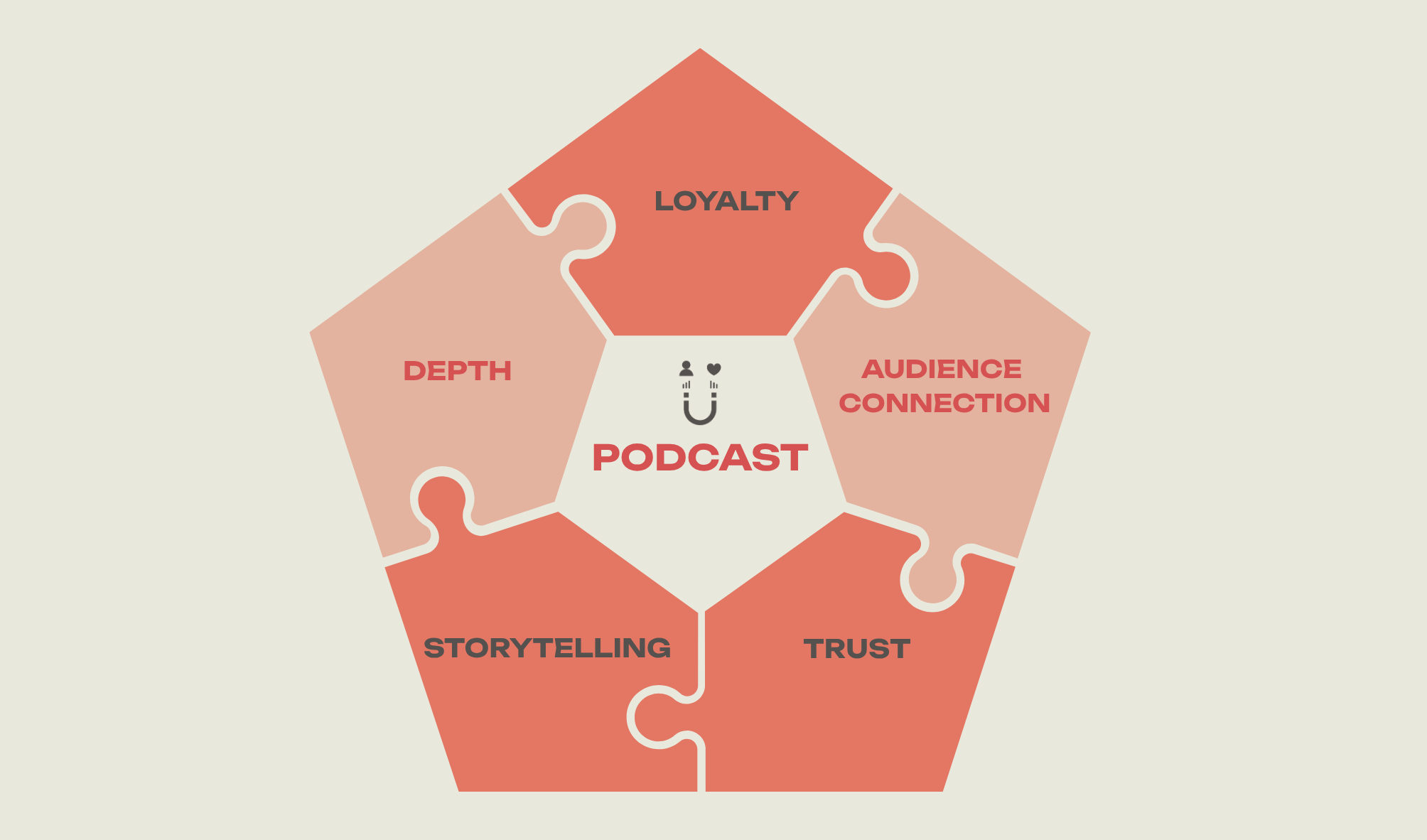
Podcasts have recently become one of the fastest expanding formats in the digital world. They provide a unique mix that is rarely found online — the freedom to express ideas openly, in-depth content, and a sense of intimate connection. While social media often relies on short, visually engaging posts, podcasts draw listeners in with authentic dialogues, captivating stories, and voices that truly engage.
People often listen to audio content during activities that allow for focused attention — such as commuting, exercising, or doing chores. This creates a meaningful opportunity for content creators to build a genuine relationship with their audience. The trust developed in this environment can lead to loyalty, which is invaluable in today’s influencer marketing landscape.
Unlike traditional advertisements and sponsored posts, podcasts offer influencers the opportunity to deliver messages calmly, thoughtfully, and with trust built over time. Brands increasingly recognize this value and seek partnerships with podcast hosts who have a clear identity and loyal audience.
When discussing brand integrations in podcasts, it’s important to separate reality from the common expectation of a fully organic partnership. In most cases, podcast advertising is clearly structured and paid — brands pay for placement within a specific episode, typically as a dedicated segment. This model is standard not only in Bulgaria but worldwide. Ads are usually positioned at the beginning, middle, or end of an episode and are often delivered by the host themselves. Although it is paid advertising, it often sounds like a personal recommendation because it comes from a voice the audience already trusts.
Podcasts provide an excellent platform for brands operating in sectors that require higher levels of trust and long-term audience engagement. These usually include companies in lifestyle, health and wellness, personal development, education, technology, and everyday services — from online consultation platforms to food subscription boxes. The reason is that these brands often offer solutions that require a personal approach and informed decisions, something that is difficult to achieve with a short video or banner ad.
This explains why companies like Squarespace, BetterHelp, Zocdoc, HelloFresh, and many others consistently invest in podcast advertising. When a listener spends time with a host’s voice, an invisible yet strong bond forms — turning every commercial message into much more than just an advertisement.
Besides the formal ad spots, there is another, more informal option — when a product or service is naturally woven into the conversation. This is not a widespread practice and doesn’t always happen as part of a paid partnership, but when done skillfully, it has a strong impact. Integrating a brand into podcast content without sounding intrusive or artificial allows the message to be received organically, as part of the context rather than an external interruption. This approach is particularly suitable for brands aiming to associate themselves with certain mindsets, lifestyles, or values, and who seek a deeper connection with their audience.
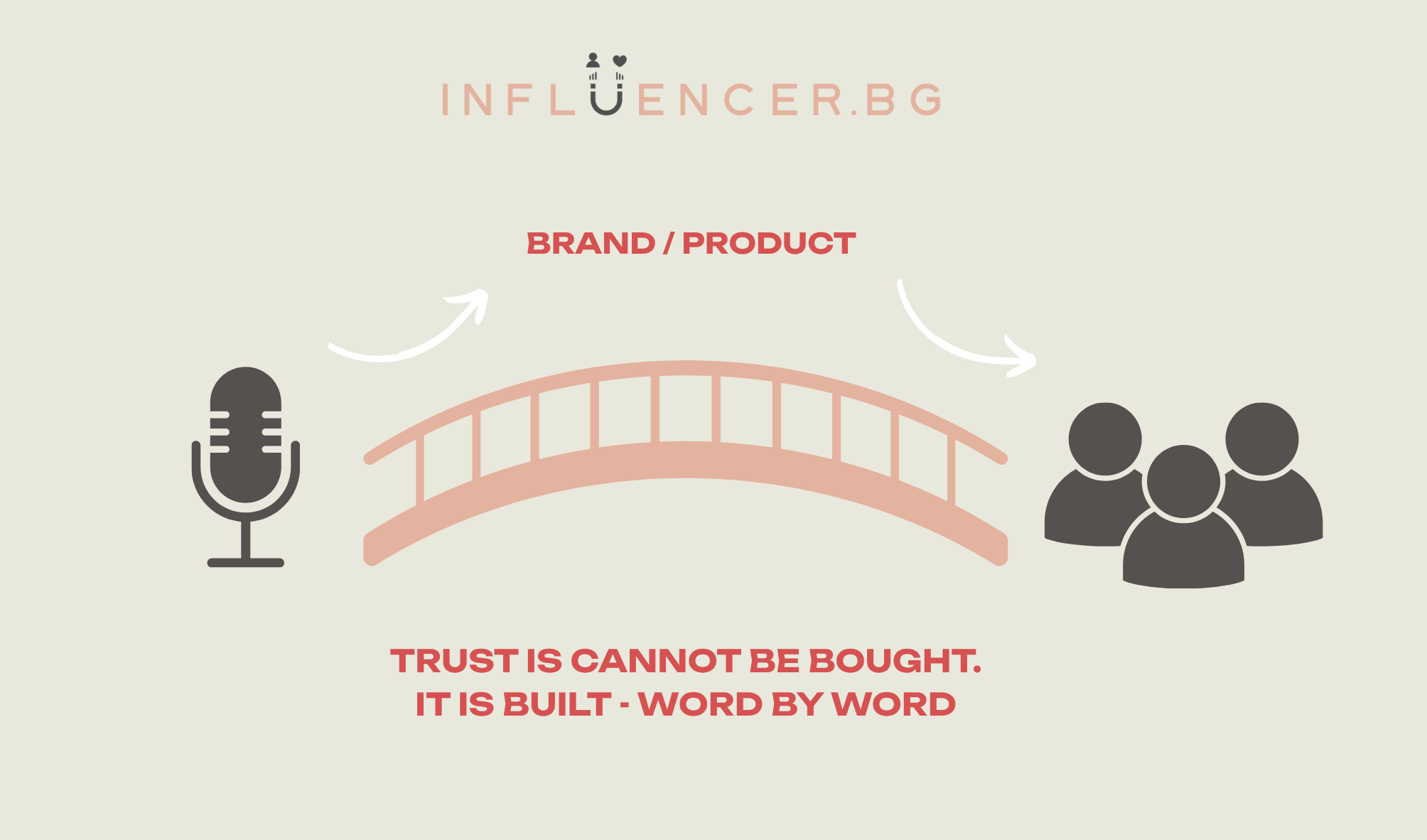
It is important to emphasize that both models have their place in influencer marketing. The strongest impact is achieved when the two strategies are skillfully combined—with attention to context, respect for the listener, and an understanding of the specifics of the format itself.
To measure the effectiveness of these campaigns, companies rely not only on common digital metrics such as the number of impressions but also on more specific indicators. This often includes the use of personalized promo codes or unique links that track the number of users who took a particular action after the ad aired. Additionally, they monitor the average listening duration, how often episodes are listened to until the end, and how audience engagement evolves over time. This data provides brands with a clear picture not only of the direct impact of the campaign but also of the quality of the connection built through the podcast format. In a world where the user’s attention is the most valuable currency, the ability to engage a listener for 30 or even 60 minutes is a resource few other media channels can offer.
Podcasts are no longer just an alternative—they have become a key pillar in digital communication and marketing. They create an environment where content is valued, not just visual appeal. The audience’s time and attention are respected, and the connection between the speaker and the listener is genuine. In this sense, podcasts represent a long-term tool for building trust, positioning, and authenticity. Brands and influencers who want to be heard, understood, and remembered should consider incorporating this format into their strategy. Because in a world saturated with noise and quick impressions, podcasts are that quiet but powerful voice that endures.
If the topic of podcasts has piqued your interest and you want to explore the opportunities offered by other leading influencer marketing platforms such as Instagram, TikTok, and YouTube, we recommend this article which will help you choose the most suitable channel for your campaign.